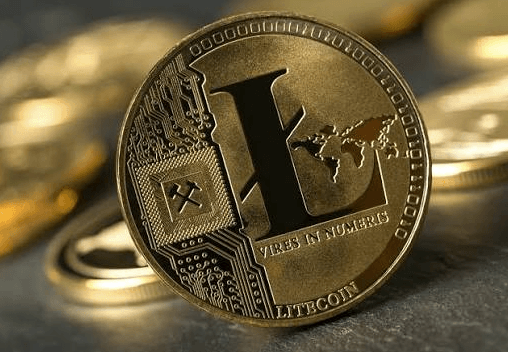

Litecoin is a peer-to-peer cryptocurrency designed for faster settlement than Bitcoin. It uses a UTXO model and proof-of-work, but with a distinct hashing algorithm and shorter block times. This combination aims at lower latency for everyday transactions and scalable micro-transfers. It remains community-governed and open-source, focusing on practical utility and iterative improvements. The implications for liquidity and merchant adoption raise questions about its role as a payments layer in evolving ecosystems.
Litecoin 101: What It Is and Why It Exists
Litecoin is a peer-to-peer cryptocurrency designed as a lighter, faster alternative to Bitcoin. The system emphasizes open-source code, rapid block generation, and a utility-driven mission. Litecoin history shows iterative protocol improvements and community-driven governance aligning with libertarian-leaning aims. Mining economics favor accessible participation through scrypt-era hardware, balanced by halving schedules and network security considerations.
How Litecoin Works Compared to Bitcoin
Bitcoin and Litecoin share a common architectural framework—both are UTXO-based, proof-of-work networks with decentralized verification, but Litecoin adopts a faster block generation pace and distinct hashing algorithm to achieve lower transaction latency and different mining dynamics.
In comparison, litecoin scalability hinges on block timing, network load, and fee markets, while litecoin governance influences protocol updates and community consensus processes.
Real-World Uses and Practical Benefits of Litecoin
Real-world uses of Litecoin hinge on its rapid settlement and low-cost transfers, which support a range of everyday payment scenarios and financial workflows.
The network enables fastest payment capabilities for small- to medium-value transactions, reducing friction in retail and service contexts.
Merchant acceptance expands as liquidity rises, while interoperability with wallets and exchanges streamlines settlement, reconciliation, and cross-border operational efficiencies.
See also: Tools for Online Teaching
Security, Adoption, and the Road Ahead for Litecoin
What security and adoption trajectories can be anticipated for Litecoin, and how might these shape the network’s long-term viability?
The analysis assesses hash-rate resilience, fee stability, and upgrade cadence, weighing privacy concerns against transparent ledgers.
Adoption depends on merchant integration, user experience, and layer-two tooling.
Regulatory challenges and governance choices will influence institutional participation, market confidence, and scalable, open-access cross-border payments.
Conclusion
Litecoin serves as a faster, lighter alternative to Bitcoin, sharing UTXO and POW foundations while improving transaction latency through a quicker block generation cadence and a distinct hashing algorithm. Its design targets everyday payments, micro-transfers, and broader merchant adoption, underpinned by open-source development and community governance. An interesting stat: Litecoin’s average block time (~2.5 minutes) is roughly one-fourth that of Bitcoin, enabling faster settlements and more rapid confirmation for small transactions. The path forward emphasizes interoperability, scalability, and continued protocol refinement.
